
Selling consulting services is problematic for most consultants.
Most consultants feel uncomfortable selling. Not because they’re bad at it, but because everything they’ve been taught about selling feels unnatural, often pushy, transactional, at odds with the expertise they’re supposed to represent.
But what if a sales conversation didn’t feel like selling at all? What if it felt like a conversation with a client who already trusts you, and the decision to work together happened naturally, without pressure or pushback?
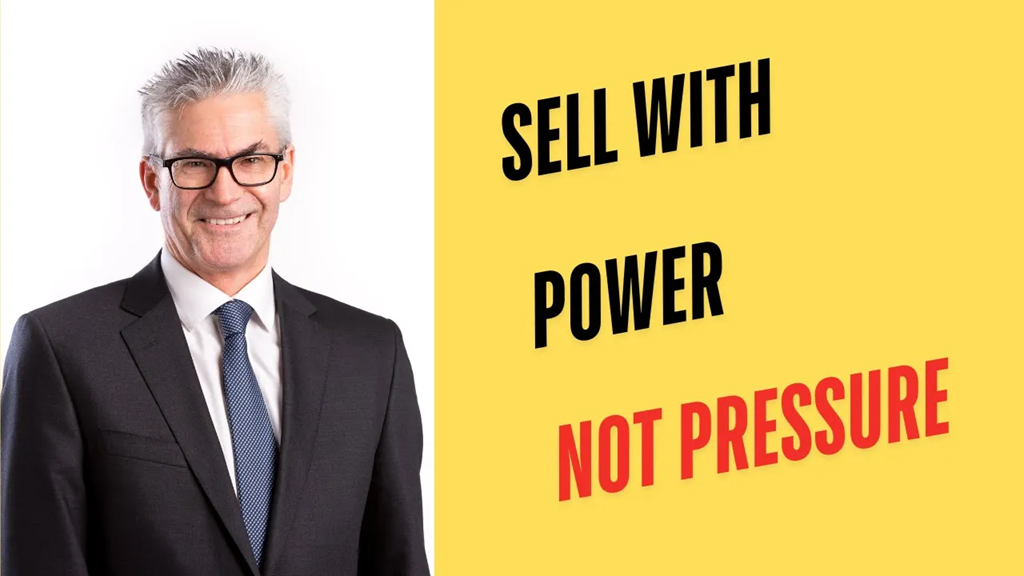
That’s the promise behind the POWER method — a five-step framework for selling consultancy services with authority instead of persuasion.
The Problem With Traditional Selling
Traditional selling is closing-focused. It’s the ABC model (Always Be Closing ), built around the salesperson’s goal of getting the sale, not the client’s goal of solving a real problem. Even skilled salespeople who avoid the “used car” stereotype are still, fundamentally, persuading and convincing.
The POWER approach rejects that premise entirely. Instead of convincing a client that your solution is right for them, you help them arrive at that clarity themselves.
What POWER Stands For
Position yourself as the authority. This starts before the meeting, through educational material that frames your value. It continues in the room itself. For most consultants this requires a mindset shift. Most consultants unconsciously slip into a servant role because they’re “providing a service.” The shift here is subtle but powerful: the client needs your solution more than you need their money. Therefore, you take the authority position, like a doctor’s demeanour in a medical consultation.
Own the agenda. Set the terms of the meeting upfront. Take control of the meeting and tell them what you’ll cover, how you’ll conduct it, and what outcome you’re both working toward. Crucially, that outcome isn’t “get the sale.” It’s discovering the truth about whether there’s a genuine fit. Approaching the meeting like a diagnostic doctor, rather than a salesperson chasing a signature, removes most of the pressure from the room.
Win their trust. Trust isn’t built by listing credentials or experience.t’s built through curiosity. Ask deeper questions about the impact of the problem, not just the problem itself. The temptation, especially for consultants who are natural problem-solvers, is to jump straight to a solution the moment a client mentions a struggle. Resist it. Asking “tell me more about how that affects you” demonstrates expertise far more convincingly than any pitch.
Educate. Once you understand the situation fully, help the client see the gap between where they are and where the solution takes them. This isn’t selling. It’s building desire. You’re not convincing and persuading. You’re helping your client discover how much they need the outcome they want. By the time you get to the final step, they should already want what you’re about to offer.
Recommend. Rather than walking through a dry list of deliverables, describe the outcomes you’ll achieve together. Because trust and desire are already built, this step rarely needs persuasion. It’s a natural conclusion the client has already reached with you.
What This Looks Like in Practice
One consultant using this approach found himself in a negotiation where a client tried to lowball him on price. Because he’d built genuine authority and trust through the process, he held his ground and refused to give way on price. And the client accepted it, satisfied that the value matched the investment. No shortcuts, no discounting, no losing the deal.
That’s the real shift POWER creates: instead of chasing approval, you’re guiding a client toward a conclusion they were already heading toward. Instead of a proposal that gets lost in an inbox, you get a client asking, “When would you like to start?”
Where in your current sales process are you still persuading, when you could be helping a client arrive at their own clarity?
Hi, this is a comment.
To get started with moderating, editing, and deleting comments, please visit the Comments screen in the dashboard.
Commenter avatars come from Gravatar.